
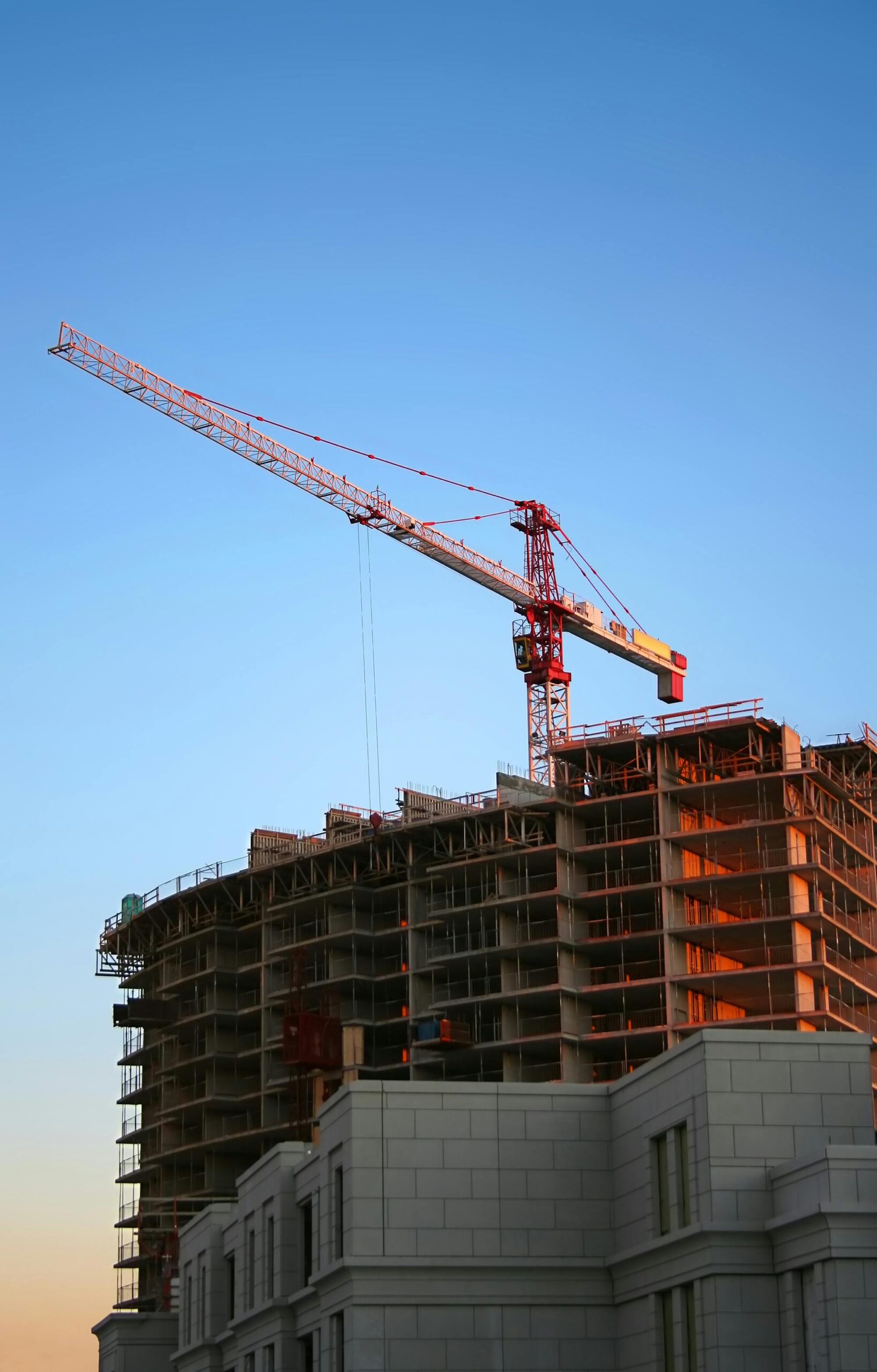

The construction industry, long seen as traditional and labor-intensive, is experiencing a technological transformation. Innovations in digital tools, automation, and smart materials are reshaping the way projects are designed, executed, and managed. Technology is not only improving efficiency but also enhancing safety, reducing costs, and enabling more sustainable construction practices.
Digital Design and Building Information Modeling
One of the most significant technological advancements is Building Information Modeling (BIM). BIM allows architects, engineers, and contractors to create detailed digital representations of structures before construction begins. This process facilitates collaboration, reduces errors, and allows for better visualization of complex projects. With BIM, potential conflicts can be identified early, schedules optimized, and costs better managed, leading to more streamlined construction processes.
Automation and Robotics
Automation is transforming physical construction tasks. Robotics and automated machinery can handle repetitive or dangerous work, such as bricklaying, concrete pouring, or material transport. Drones are used for site surveying, progress monitoring, and safety inspections, providing real-time data that improves decision-making. These technologies reduce human risk, increase precision, and accelerate project timelines, marking a shift from manual labor toward more technologically driven construction practices.
Smart Materials and Sustainable Solutions
Technological innovation extends to materials science as well. Smart materials, such as self-healing concrete, energy-efficient glass, and adaptive insulation, improve the longevity, performance, and sustainability of buildings. Combined with IoT sensors and monitoring systems, these materials allow real-time tracking of structural health and energy consumption, supporting proactive maintenance and reducing environmental impact.
Data Analytics and Project Management
The integration of data analytics and digital project management tools is optimizing every stage of construction. Cloud-based platforms enable seamless communication between teams, while predictive analytics help anticipate delays, budget overruns, or resource shortages. Artificial intelligence can also provide insights into workflow optimization and risk management, making projects more efficient and less prone to costly mistakes.
Conclusion
Technology is revolutionizing the construction industry, from design and materials to project management and on-site operations. By embracing digital tools, automation, and smart materials, the sector is becoming faster, safer, and more sustainable. As these innovations continue to evolve, the future of construction promises greater efficiency, reduced environmental impact, and buildings that are smarter and more resilient than ever before.