
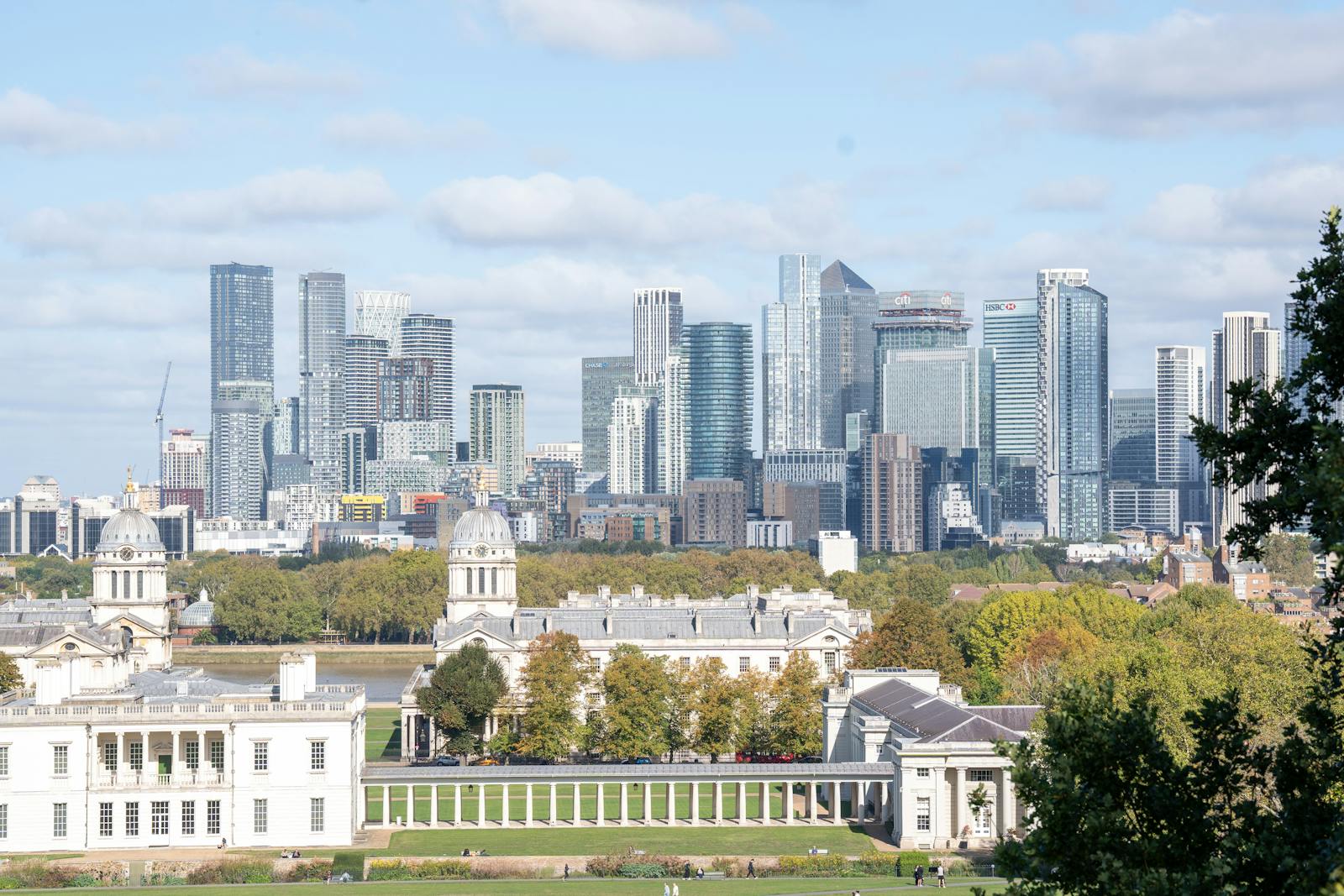

The construction industry is at a pivotal moment, driven by growing awareness of environmental challenges and the urgent need for sustainable practices. From innovative materials to energy-efficient designs, sustainability is no longer optional—it is becoming a defining factor in how modern buildings are conceived, constructed, and maintained. This shift is reshaping both urban landscapes and industry standards worldwide.
Green Materials and Innovative Solutions
Sustainable construction begins with the materials used. Recycled steel, reclaimed wood, low-carbon concrete, and eco-friendly insulation are increasingly incorporated into modern projects. These materials not only reduce the environmental footprint but often provide superior performance in terms of durability and energy efficiency. Additionally, advances in construction technology, such as 3D printing with sustainable composites, are opening new possibilities for reducing waste and enhancing precision.
Energy Efficiency and Smart Design
Modern sustainable buildings focus heavily on energy efficiency. Proper insulation, high-performance windows, and renewable energy systems, such as solar panels or geothermal heating, help reduce energy consumption and lower operational costs. Architects are also integrating passive design strategies, like natural ventilation and daylight optimization, which minimize reliance on artificial energy sources. These strategies not only benefit the environment but also improve the comfort and well-being of occupants.
Reducing Waste and Carbon Footprint
Construction is traditionally a resource-intensive industry, generating significant waste and carbon emissions. Sustainable practices aim to change this through off-site prefabrication, modular construction, and improved project planning. By fabricating components in controlled environments and optimizing resource use, builders can significantly reduce material waste and emissions associated with transportation and on-site activities. Lifecycle assessment of materials and processes is becoming a standard practice to ensure long-term sustainability.
Regulatory Support and Industry Trends
Governments and regulatory bodies are increasingly mandating sustainable practices through green building certifications, energy standards, and incentives for eco-friendly construction. Programs like BREEAM, LEED, and WELL encourage developers to adopt sustainable solutions, driving innovation and competitiveness in the sector. These initiatives demonstrate that sustainability is not only an environmental responsibility but also a strategic advantage for companies investing in the future of construction.
Conclusion
Sustainability is transforming the construction industry, influencing everything from materials and design to processes and regulations. By prioritizing green practices, builders are creating structures that are not only environmentally responsible but also economically and socially beneficial. The movement toward sustainable construction promises a future where urban development and environmental stewardship go hand in hand, shaping cities that are both resilient and vibrant.