
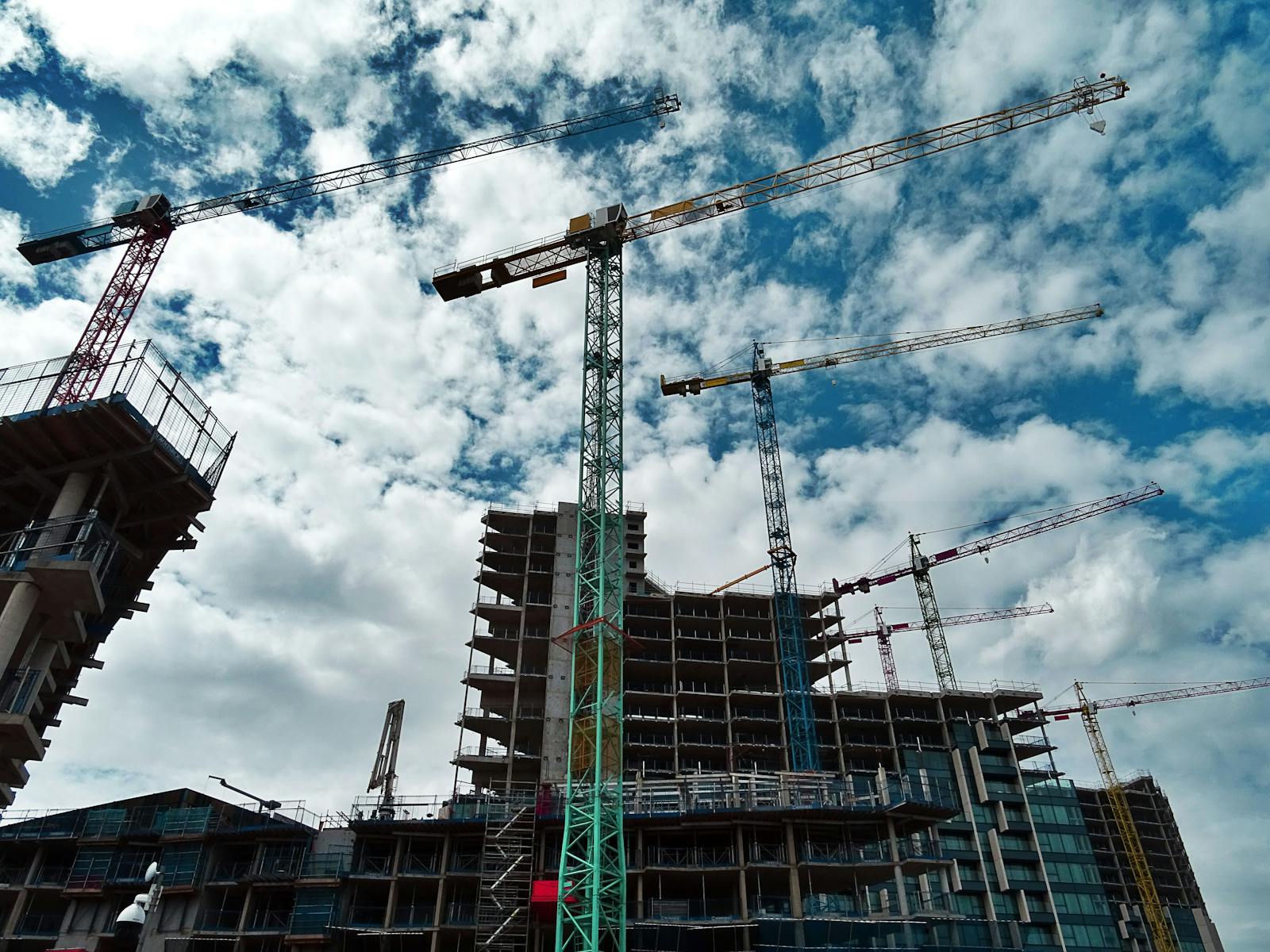

The construction industry is undergoing a significant transformation, and modular construction is at the forefront of this shift. By rethinking traditional building methods, modular techniques are offering faster, more efficient, and increasingly sustainable alternatives for residential, commercial, and industrial projects. The rise of modular construction is not just a trend—it is reshaping the way buildings are designed, manufactured, and assembled.
Speed and Efficiency in Building
One of the most notable advantages of modular construction is the speed of delivery. Unlike conventional construction, where projects often face delays due to weather, labor shortages, or site limitations, modular buildings are largely fabricated off-site in controlled environments. Prefabricated modules can be produced simultaneously with site preparation, drastically reducing overall construction timelines. This efficiency is particularly valuable for urban developments, schools, and emergency housing projects, where time is critical.
Flexibility and Design Innovation
Modular construction is not limited to simple, repetitive structures. Modern techniques allow for sophisticated design, customization, and scalability. Architects and developers can create buildings that meet specific functional needs while maintaining aesthetic appeal. Modules can be combined, stacked, or rearranged, offering a level of flexibility that traditional construction rarely achieves. This adaptability also allows for future expansion, modifications, or even relocation of entire structures, enhancing long-term value.
Sustainability and Reduced Environmental Impact
Sustainability is another area where modular construction shines. Off-site manufacturing minimizes waste, as precise measurements and controlled production reduce excess materials. Additionally, modules can be designed for energy efficiency, incorporating advanced insulation, renewable energy systems, and environmentally friendly materials. By lowering construction waste, energy consumption, and carbon emissions, modular construction aligns with the growing demand for greener building solutions.
Cost-Effectiveness and Resource Management
Modular construction can also reduce costs, both in terms of labor and materials. Standardized processes, minimized on-site labor, and shorter project durations contribute to overall savings. Furthermore, improved quality control in factory settings reduces errors, rework, and associated expenses. These financial benefits make modular construction an attractive option for developers looking to optimize resources without compromising quality.
Conclusion
Modular construction is revolutionizing the building industry by combining speed, flexibility, sustainability, and cost efficiency. Its innovative approach challenges traditional methods while offering practical solutions to contemporary construction challenges. As technology and design continue to advance, modular construction is likely to become an increasingly dominant force in shaping the future of urban and industrial landscapes.