
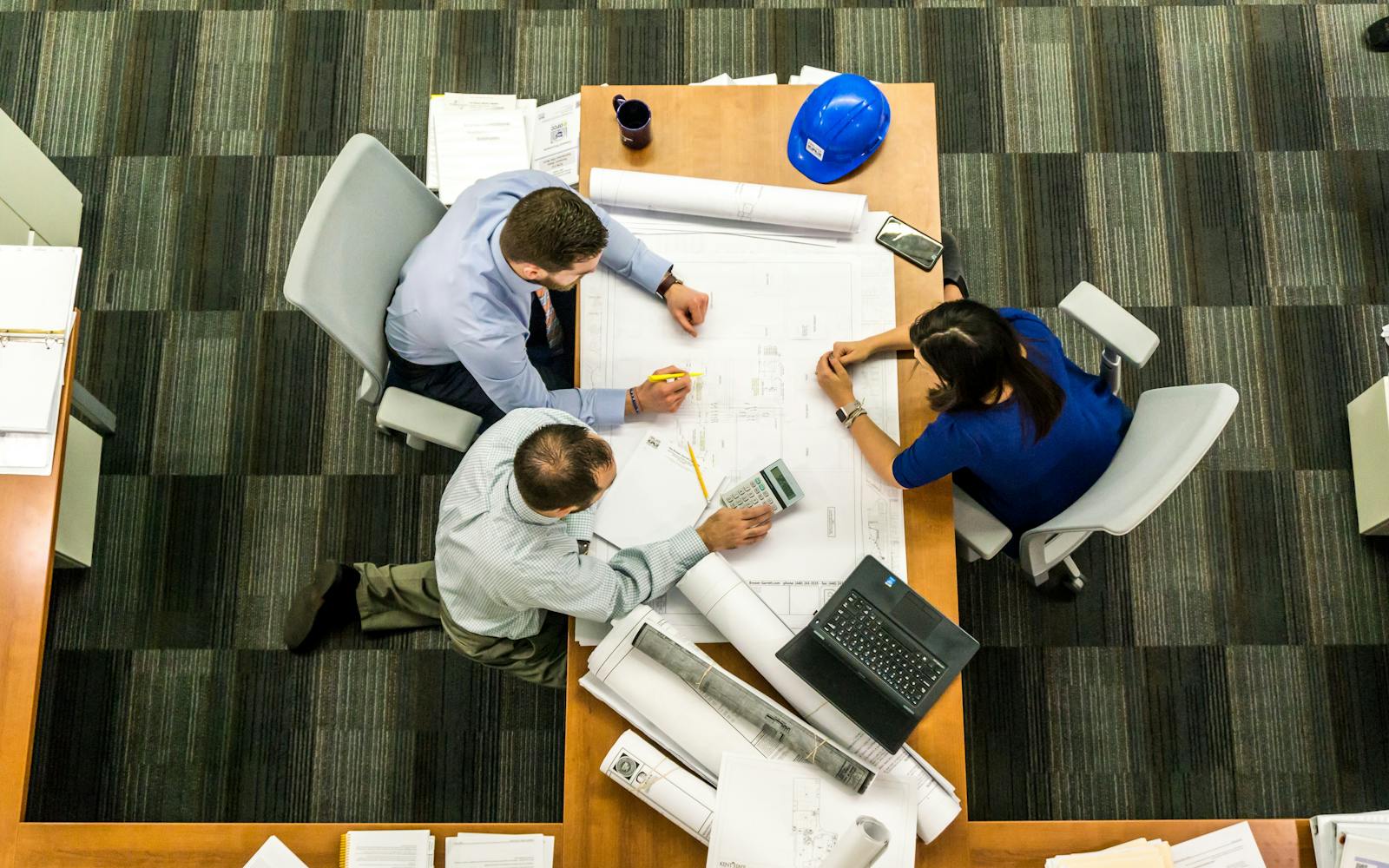

The construction industry is evolving rapidly, driven by innovation, sustainability demands, and shifting market needs. From technological advancements to new approaches in design and project management, several trends are shaping how buildings are conceived, constructed, and maintained. Understanding these trends is essential for professionals and stakeholders looking to stay ahead in this dynamic sector.
Modular and Off-Site Construction
Modular construction and off-site manufacturing are redefining traditional building methods. Prefabricated modules allow sections of a building to be produced in controlled environments, reducing construction time, minimizing waste, and enhancing quality control. This approach is particularly useful for residential complexes, schools, and healthcare facilities, where speed and efficiency are critical. Modular solutions also provide flexibility for future expansions or relocation.
Sustainable and Green Building Practices
Sustainability continues to dominate the construction agenda. Developers are increasingly using eco-friendly materials, energy-efficient designs, and renewable energy solutions. Practices such as reducing carbon emissions, recycling construction waste, and designing for long-term energy efficiency are becoming standard. Green certifications like LEED and BREEAM are influencing investment decisions and shaping project priorities worldwide.
Integration of Technology and Smart Tools
Technology is revolutionizing construction through tools like Building Information Modeling (BIM), drones, AI, and IoT sensors. BIM enhances collaboration and reduces errors, drones provide real-time site monitoring, and IoT-enabled buildings offer predictive maintenance and improved energy management. These innovations streamline workflows, improve safety, and allow for data-driven decision-making across all stages of a project.
Focus on Health, Safety, and Workforce Wellbeing
Modern construction trends increasingly prioritize workforce safety and wellbeing. Wearable devices, real-time monitoring, and automated equipment help reduce accidents on site. Additionally, industry stakeholders are focusing on improving working conditions, training, and upskilling employees to meet the demands of a technology-driven construction environment.
Conclusion
The construction industry today is being reshaped by modular methods, sustainable practices, technological integration, and a renewed focus on safety and efficiency. These trends reflect the sector’s adaptability to global challenges and its commitment to innovation. Staying informed and responsive to these developments is essential for building smarter, faster, and more resilient structures for the future.